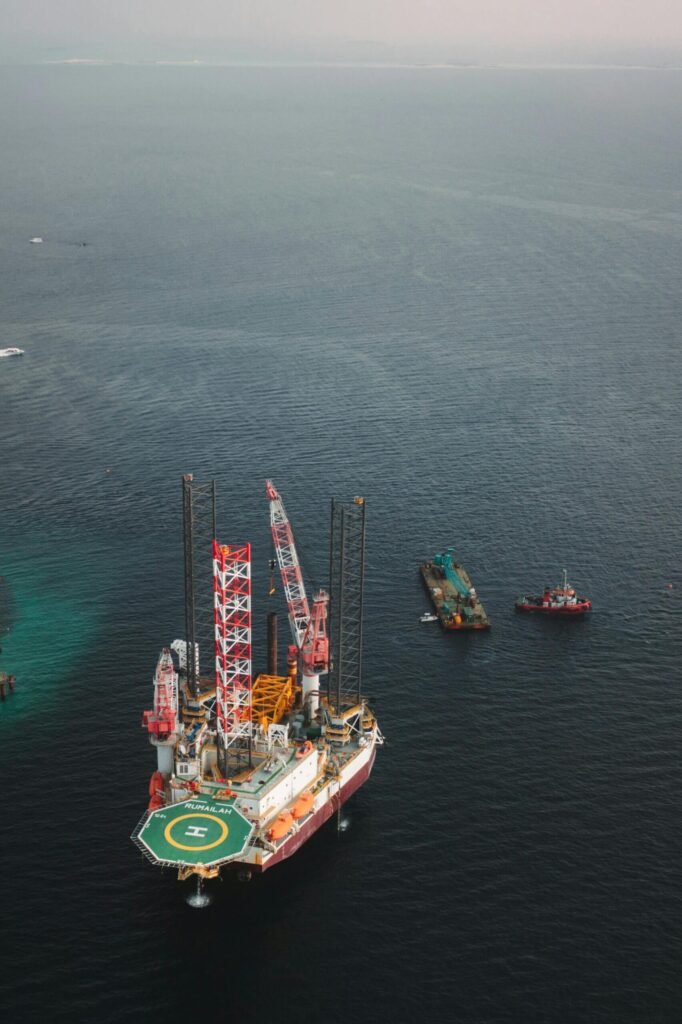
Oil rig jobs are becoming increasingly attractive as the offshore energy industry continues to expand worldwide. Companies are constantly looking for new workers to support offshore operations, and many positions are open to people who have never worked offshore before.
For those willing to work in an oil rig environment, these roles can offer unique career opportunities and a completely different way of life.
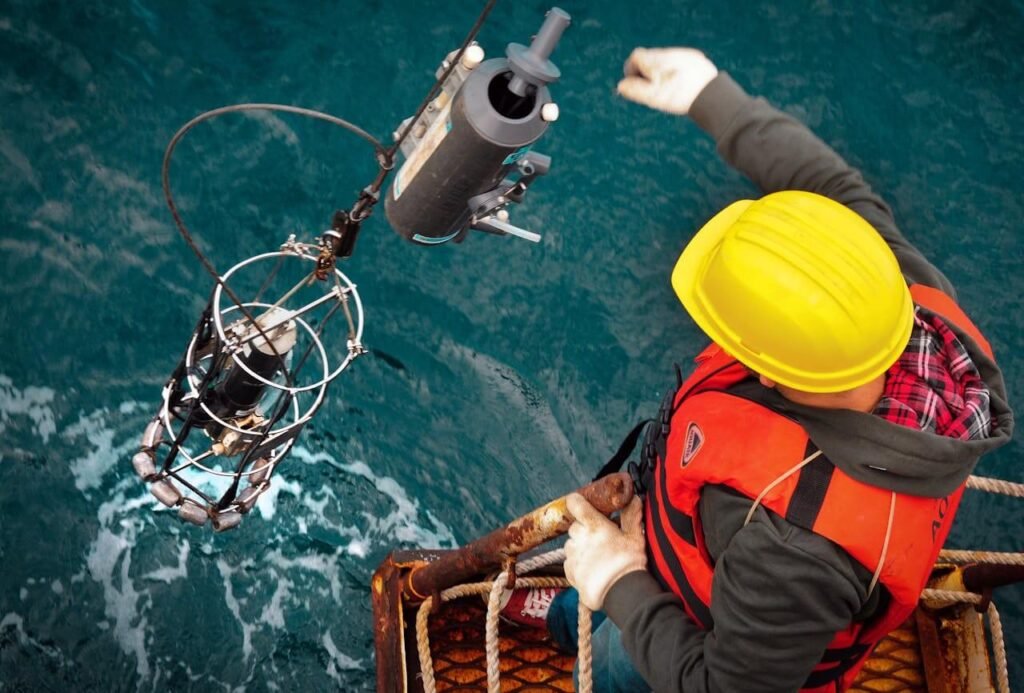
For many people, the most powerful attraction of oil rig jobs is the income potential. Offshore work is widely known for offering salaries that can significantly exceed those of many traditional land-based careers. Because platforms operate around the clock and require highly reliable crews, companies compensate offshore workers accordingly. As a result, a job on an oil rig can offer financial opportunities that are difficult to find in many other industries. For individuals willing to work in challenging environments and commit to offshore rotations, working in an oil rig environment can open the door to a level of income that has the potential to transform personal finances in a relatively short period of time.
Another reason many people are drawn to oil rig jobs is the unique work schedule offshore. Instead of working continuously throughout the year, many platforms operate on rotational systems where crews spend a defined period working offshore followed by an extended break at home. One example often discussed in the industry is a 2/4 rotation, where workers spend two weeks on the platform followed by four weeks off. During those two weeks offshore, crews work long shifts and focus entirely on operations. Once the rotation ends, they return home and remain completely off duty until the next assignment begins. For many people considering a job on an oil rig, this rhythm is one of the most attractive aspects of offshore work. While the time on the platform is intense and demanding, the extended periods away from work allow workers to enjoy long stretches of personal time that are rarely possible in traditional careers.
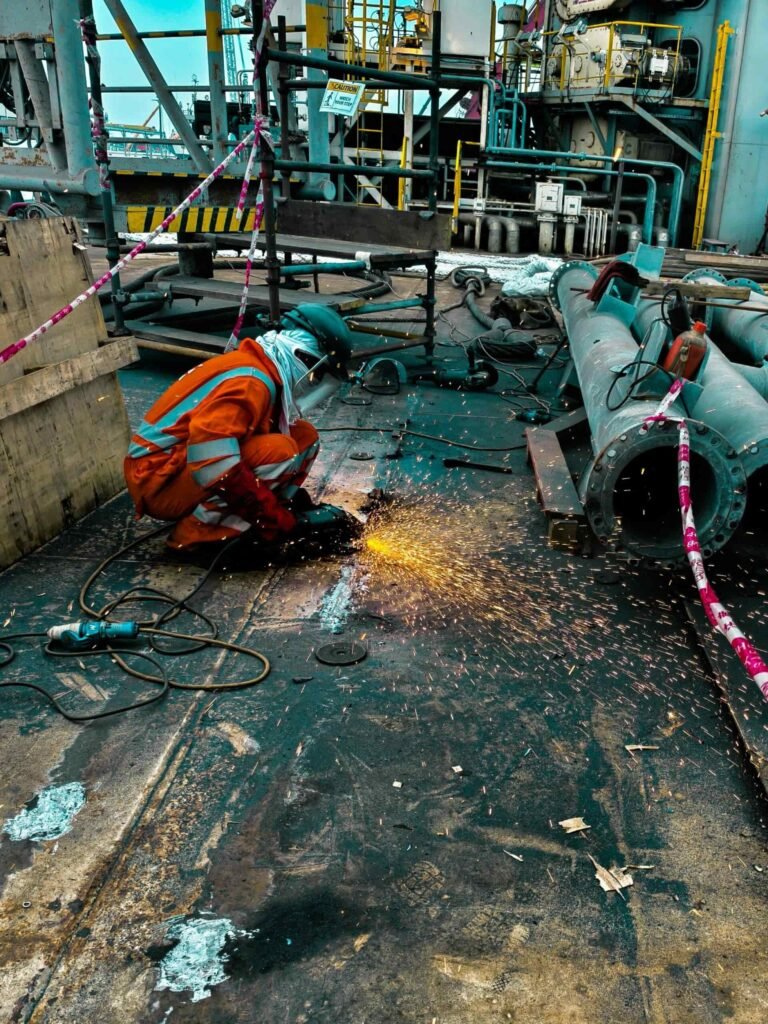
Offshore platforms play a critical role in supplying the energy that powers modern life. The oil and gas produced on these installations support transportation systems, industrial production, and infrastructure in countries around the world. Behind every offshore platform is a highly coordinated crew responsible for keeping these operations running safely and efficiently. From drilling teams and technicians to mechanics, safety personnel, and support staff, every role contributes to maintaining the flow of resources that modern economies depend on. For many people working in oil rig jobs, this responsibility creates a strong sense of purpose. Being part of the crews that operate these massive offshore installations means contributing to one of the most important industries supporting global society today.
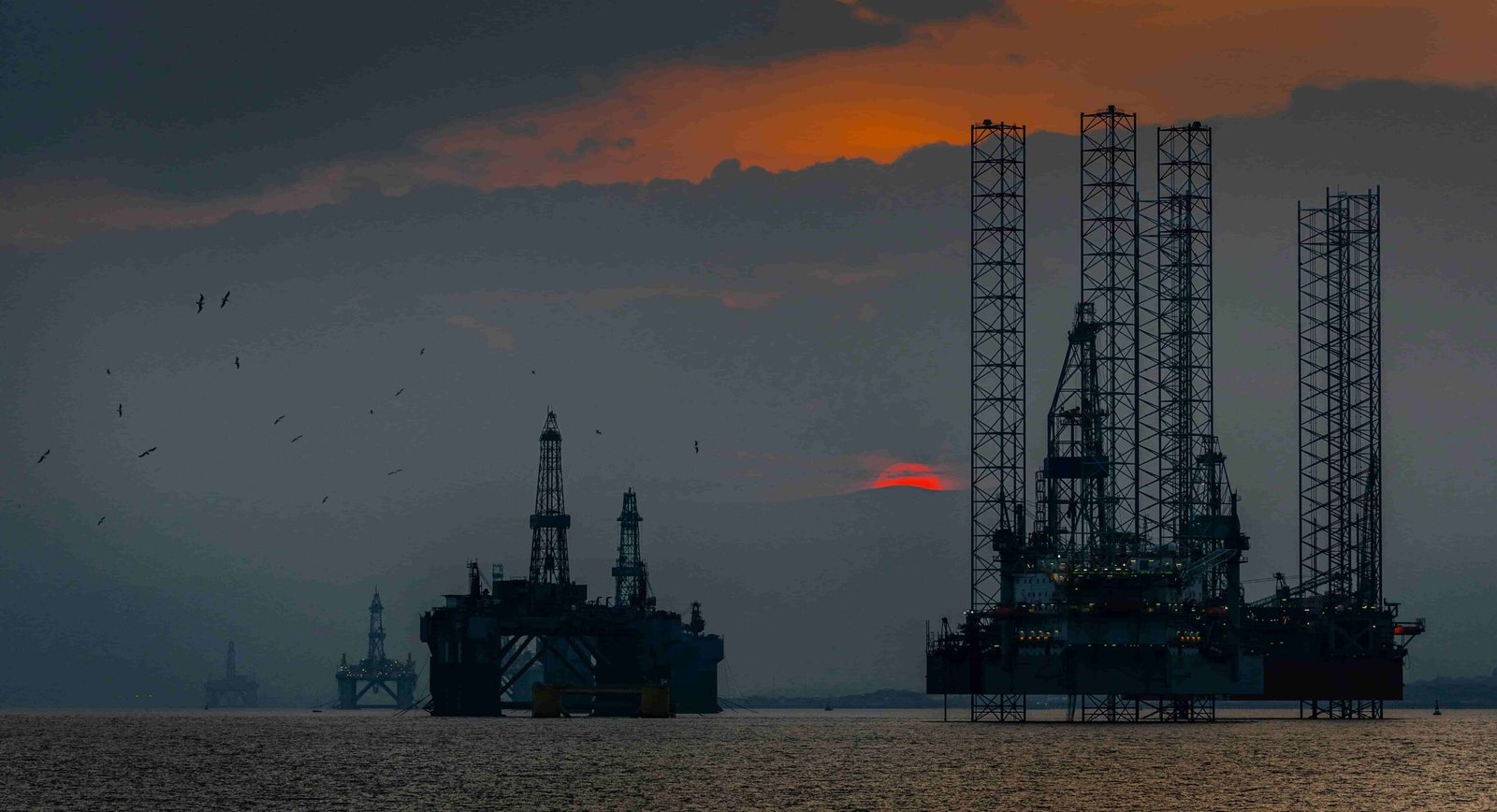
Oil rig jobs are part of the offshore energy industry, where teams of skilled workers operate large industrial platforms located far out at sea. These platforms drill deep beneath the ocean floor to extract oil and natural gas, two resources that remain essential for powering transportation, manufacturing, and infrastructure around the world.
Keeping an offshore platform running requires far more than just drilling equipment. Oil rigs operate like highly organized industrial workplaces where many different roles come together to maintain continuous production. Technicians monitor systems, mechanics maintain heavy equipment, crane operators move large components across the platform, and safety teams ensure that every operation follows strict procedures.
At the center of these installations are the operational crews responsible for the daily work that keeps the platform functioning. Floorhands assist with drilling activities, electricians maintain complex electrical systems, and logistics staff coordinate the movement of supplies, tools, and materials needed offshore.
Because platforms operate continuously, every task is carefully coordinated and carried out by teams working together in a structured environment. For people interested in oil rig jobs, this combination of technical operations, teamwork, and large-scale industrial activity is what makes working offshore such a distinctive career path.
The offshore energy sector is currently experiencing significant global investment and expansion. As countries continue to develop new energy infrastructure and companies explore offshore resources, billions of dollars are being invested into drilling projects, production platforms, and long-term offshore operations. These large offshore installations require extensive teams to keep operations running safely and efficiently.
Platforms operate around the clock, often in remote ocean environments where every task must be carefully coordinated. Technicians, drilling crews, mechanics, safety personnel, and logistics teams all work together to maintain production and ensure that complex systems function reliably. Because offshore projects operate continuously for many years, companies depend on stable and well-organized crews to support these installations. This ongoing development is one of the reasons oil rig jobs continue to attract attention from people interested in working in a large international industry. For individuals exploring the possibility of a job on an oil rig, the expansion of offshore energy projects means that new opportunities continue to appear as companies invest in the future of offshore production.
One of the biggest misconceptions about the offshore industry is that it only offers opportunities for highly specialized engineers. In reality, offshore platforms depend on large crews made up of many different roles that keep operations running smoothly every single day.
While engineers and technical experts oversee complex systems, the majority of workers on offshore platforms are part of the operational teams that maintain equipment, support drilling activities, manage logistics, and ensure that daily operations continue without interruption.
A typical offshore installation functions almost like a small industrial community. Mechanics maintain heavy machinery, electricians keep power systems running, crane operators move large equipment across the platform, and safety personnel oversee procedures that protect the entire crew. At the same time, cooks, medics, and logistics staff support the daily life of everyone living and working offshore.
Because these installations operate around the clock, companies rely on well-organized crews where every role contributes to keeping the platform functioning safely and efficiently. For many people interested in oil rig jobs, this diversity of roles means that offshore careers are far more accessible than many assume. For individuals considering a job on an oil rig, the offshore industry offers opportunities across a wide range of positions that support the crews responsible for operating these massive installations far out at sea.
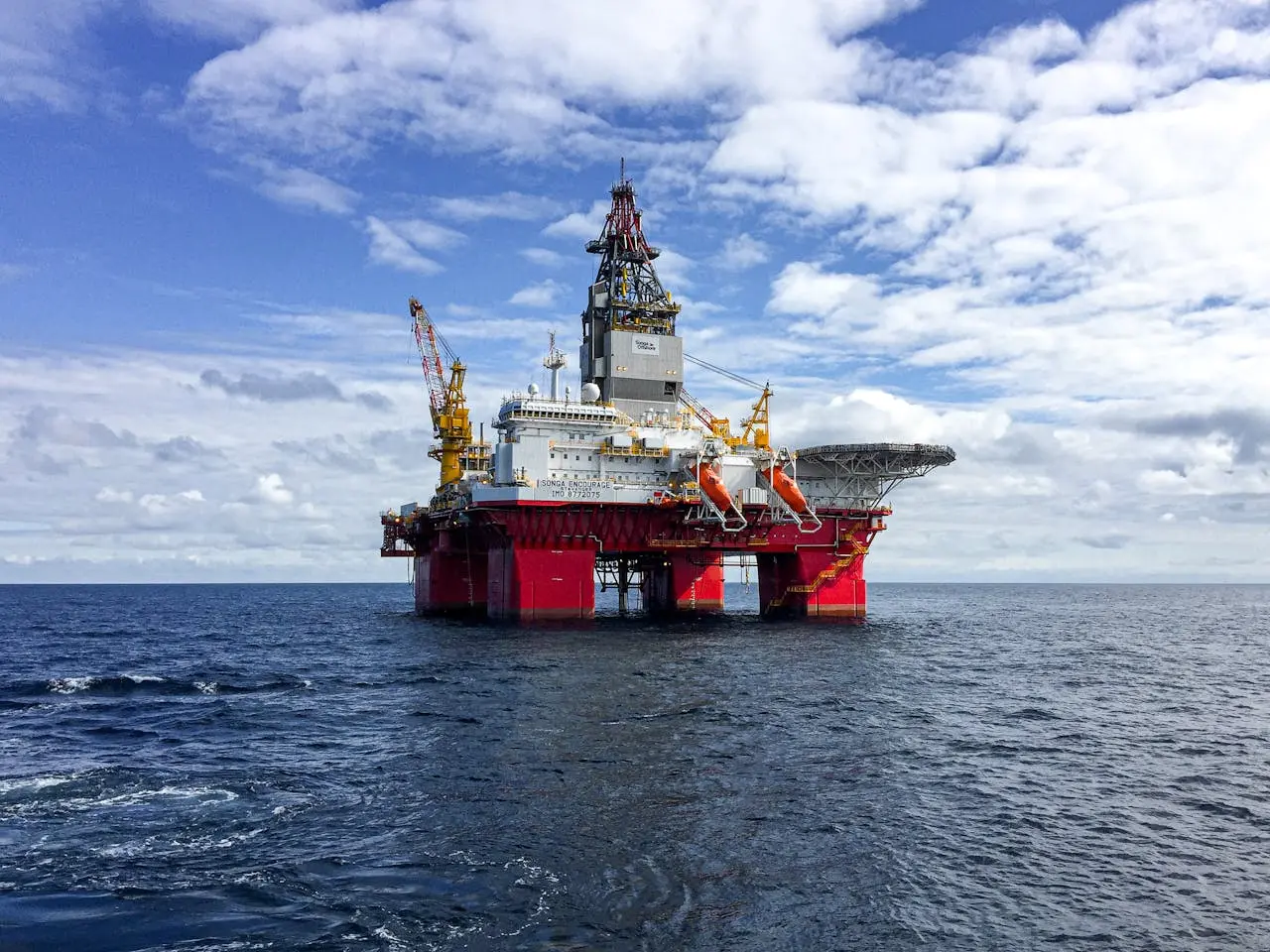
One of the biggest reasons people begin exploring oil rig jobs is the earning potential. Unlike many traditional industries where beginners start with modest salaries, the offshore sector often offers surprisingly strong income even for workers entering the industry for the first time.
Many offshore platforms rely on large operational crews, and several entry-level roles do not require years of specialized experience. One well-known starting position is the Roustabout, a role that supports drilling teams by handling equipment, assisting with maintenance tasks, and helping maintain safe working conditions on the platform.
What makes this position particularly attractive is that it provides a realistic entry point into the offshore industry. For individuals interested in a job on an oil rig, starting as a Roustabout can be the first step toward building experience while already earning a strong income.
Depending on the project, location, and rotation schedule, entry-level offshore positions can reach monthly incomes of up to $10,000, which is significantly higher than many starting salaries in traditional industries. This earning potential is one of the main reasons why offshore work continues to attract attention from people looking for new opportunities.
Further details on salary ranges across the offshore industry, including entry positions such as Roustabout and more specialized technical roles, are discussed in the section on oil rig pay.
Offshore platforms rely on large, well-organized crews where many different roles work together to keep operations running safely and efficiently. While drilling operations are at the center of offshore production, the daily operation of a platform depends on many different workers who maintain equipment, support logistics, and ensure that life on the installation runs smoothly.
Because offshore platforms operate continuously, these crews work in structured teams where every role contributes to keeping the installation functioning around the clock.
These roles form the core of offshore operations and support the daily work required to keep drilling systems and equipment functioning.
Common positions include:
Roustabout / Floorhand – entry-level role supporting drilling crews and handling equipment
Roughneck / Assistant Driller – works directly in drilling operations
Crane Operator – responsible for moving heavy equipment and supplies across the platform
Deck Crew / Deckhand – supports logistics and operational work on deck
These operational teams handle many of the physical and logistical tasks required to keep offshore drilling activities running.
Offshore installations depend heavily on maintenance teams that ensure all machinery and systems operate safely and reliably.
Typical roles include:
Mechanic / Mechanical Technician – maintains and repairs mechanical equipment
Electrician / Electrical Technician – responsible for electrical systems and power supply
Maintenance Helper – assists technical teams with repair and maintenance work
These workers ensure that the technical infrastructure of the platform remains operational at all times.
Because offshore crews live directly on the platform during their rotation, a range of service roles supports the daily life of everyone on board.
Common positions include:
Catering Assistant / Galley Hand – supports food preparation and kitchen operations
Offshore Cook / Chef – prepares meals for the crew
Steward / Housekeeping Staff – maintains living areas and hygiene standards
These support teams help maintain a structured environment where crews can focus on their work.
Safety is one of the most important aspects of offshore operations. Dedicated specialists ensure that strict safety procedures are followed and that the crew is prepared for medical situations.
Key positions include:
HSE Officer – responsible for health, safety, and environmental standards
Offshore Medic – provides medical care and emergency support for the crew
These roles are essential for maintaining safe working conditions on offshore installations.
Offshore energy production takes place in many regions around the world, often far from the coast in areas where large oil and gas reserves exist beneath the ocean floor. These offshore fields are developed using drilling platforms and production installations that operate continuously to extract resources from deep beneath the seabed.
Some of the most active offshore regions include the North Sea, the Gulf of Mexico, offshore areas along the Brazilian coast, parts of West Africa, and regions of the Middle East and Southeast Asia. In these areas, offshore installations form the backbone of major energy projects that supply global markets.
Because these offshore operations are spread across multiple continents, crews working in the industry often come from many different countries and professional backgrounds. Offshore teams are assembled to operate and maintain installations that function far from land, creating workplaces that are both international and highly specialized.
For people interested in oil rig jobs, this global presence means that offshore careers are not limited to one country or region. However, some offshore markets are known for offering particularly attractive salaries. In general, offshore workers in the United States, especially in the Gulf of Mexico, and in Norway’s North Sea sector are among the best paid in the industry due to the scale of the projects, strict safety standards, and the high level of investment in these regions.
Across these offshore regions, platforms operate like self-contained industrial environments at sea, supported by crews who manage everything from drilling operations and maintenance work to logistics, safety, and daily life on the installation.
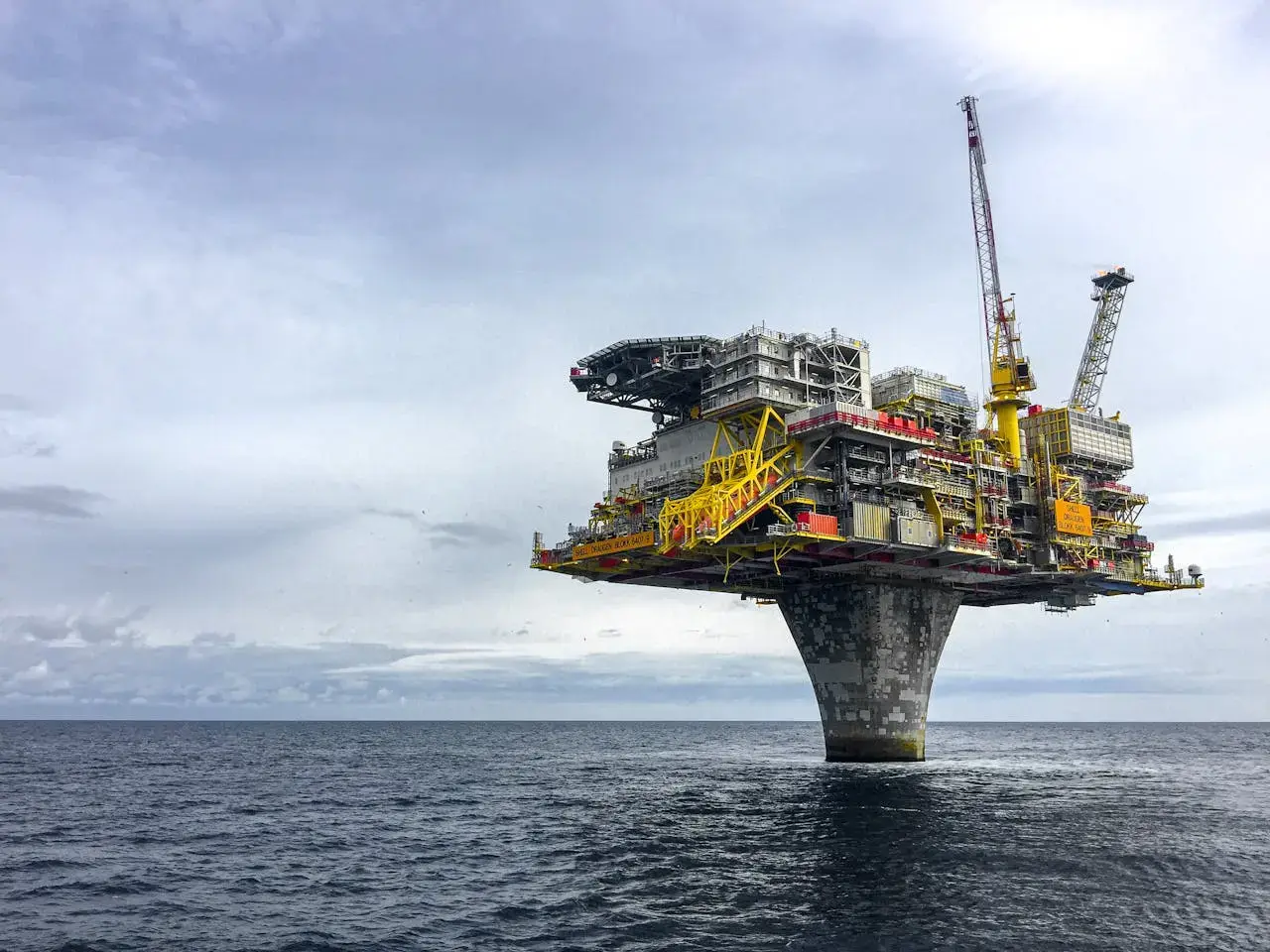
Getting a position offshore is very different from applying for a typical job on land. Many people assume that oil companies regularly advertise open positions on public job platforms, but the reality is often quite different.
In the offshore industry, only a small portion of positions are openly advertised through traditional job portals. Many roles are filled through direct applications, specialized recruiters, or internal candidate databases used by offshore service companies. Because of this structure, the path into oil rig jobs often looks very different from the hiring process most people are familiar with.
For newcomers especially, this can make the offshore job market appear difficult to navigate. However, once the structure of offshore recruiting becomes clear, the process is far easier to understand.
In general, entering the offshore industry involves three key steps.
Before submitting any applications, it is essential to understand how offshore recruitment actually works. The offshore job market follows a structure that is very different from traditional employment on land, and many applicants struggle simply because they approach the process with the wrong expectations.
Reliable information plays a critical role at this stage. Applicants need to understand how the offshore hiring process works, where companies recruit, which organizations actually operate offshore installations, and how candidates are typically evaluated during the recruitment process.
Without this understanding, many applicants send applications through the wrong channels, apply to companies that do not directly recruit offshore crews, or prepare their documents based on assumptions rather than industry expectations.
Developing a clear understanding of the offshore job market — including how companies hire, where applications are submitted, and how candidates prepare for offshore roles — is therefore one of the most important steps before beginning the application process.
In the offshore industry, a standard CV designed for traditional jobs is rarely sufficient. Offshore recruiting follows its own structure, and applications are typically expected to present information in a clear, direct, and operational format.
An offshore-ready CV is therefore essential. The document must be structured in a way that allows recruiters to immediately understand a candidate’s responsibilities, practical experience, and suitability for offshore work. Information that may be common in traditional job applications often plays a much smaller role, while operational details and clearly defined tasks become far more important.
Because recruiters frequently review a large number of applications, the structure and clarity of a CV can determine whether a candidate progresses further in the recruitment process. A CV that is not aligned with offshore recruiting standards may be overlooked even if the candidate has relevant experience.
Interviews for offshore positions differ significantly from traditional job interviews. Many applicants approach them in the same way they would prepare for a regular position on land, but offshore employers focus on very different aspects when evaluating candidates.
One of the most important topics in offshore interviews is HSE – Health, Safety and Environment. Offshore work takes place in environments where strict safety procedures are essential, and recruiters often ask questions that assess how well candidates understand safety culture, teamwork, and responsibility under demanding conditions.
Candidates who are not familiar with these expectations are often caught off guard by the type of questions asked during offshore interviews. Employers are not only interested in technical ability, but also in whether a candidate demonstrates the mindset required to work safely and reliably in a high-risk industrial environment.
Preparing specifically for offshore interviews — and understanding the type of topics that are typically discussed — can therefore make a significant difference in how a candidate is perceived during the hiring process.
Many applicants believe that a lack of experience or qualifications is the main reason offshore applications fail. In reality, this is often not the case. A large number of applications are rejected much earlier in the process because they do not match the structure or expectations used in offshore recruiting. Several common factors explain why many applications never progress beyond the initial screening stage.
In many offshore companies, applications pass through internal systems before a recruiter even reviews them. These systems filter candidates based on structure, terminology, and the presence of specific information related to offshore roles.
Applications that are poorly structured, contain unclear descriptions of responsibilities, or lack relevant terminology may be filtered out automatically. In these cases, a recruiter may never see the candidate’s application at all.
Another common problem is uncertainty about the requirements expected in offshore recruiting. Many applicants are unsure which certificates are actually necessary, which documents are only required later in the process, and which qualifications are not relevant at all.
As a result, some candidates apply without understanding the basic requirements of the industry, while others invest time and money in certifications that are not essential at the early stages of the recruitment process.
A clear understanding of which qualifications offshore employers expect — and when they become relevant — is therefore an important factor in preparing an effective application.
A further reason many applications fail is that they are written in a format designed for traditional office positions. Classical CV structures and application styles are often built around local employers or corporate office environments.
Offshore recruiting, however, follows a different structure. Recruiters typically expect applications that present responsibilities and relevant skills in a clear and structured way that reflects the realities of offshore work.
Applications that do not follow this structure are often overlooked quickly, even if the candidate may have relevant experience.
Many offshore careers begin with entry-level positions that require little or no prior offshore experience. Roles such as Roustabout, Deck Crew, or Catering Assistant are often the first step into the offshore industry. Explore the most common entry-level roles and learn how people start working offshore.